Table of Contents

22 Jul, 2026
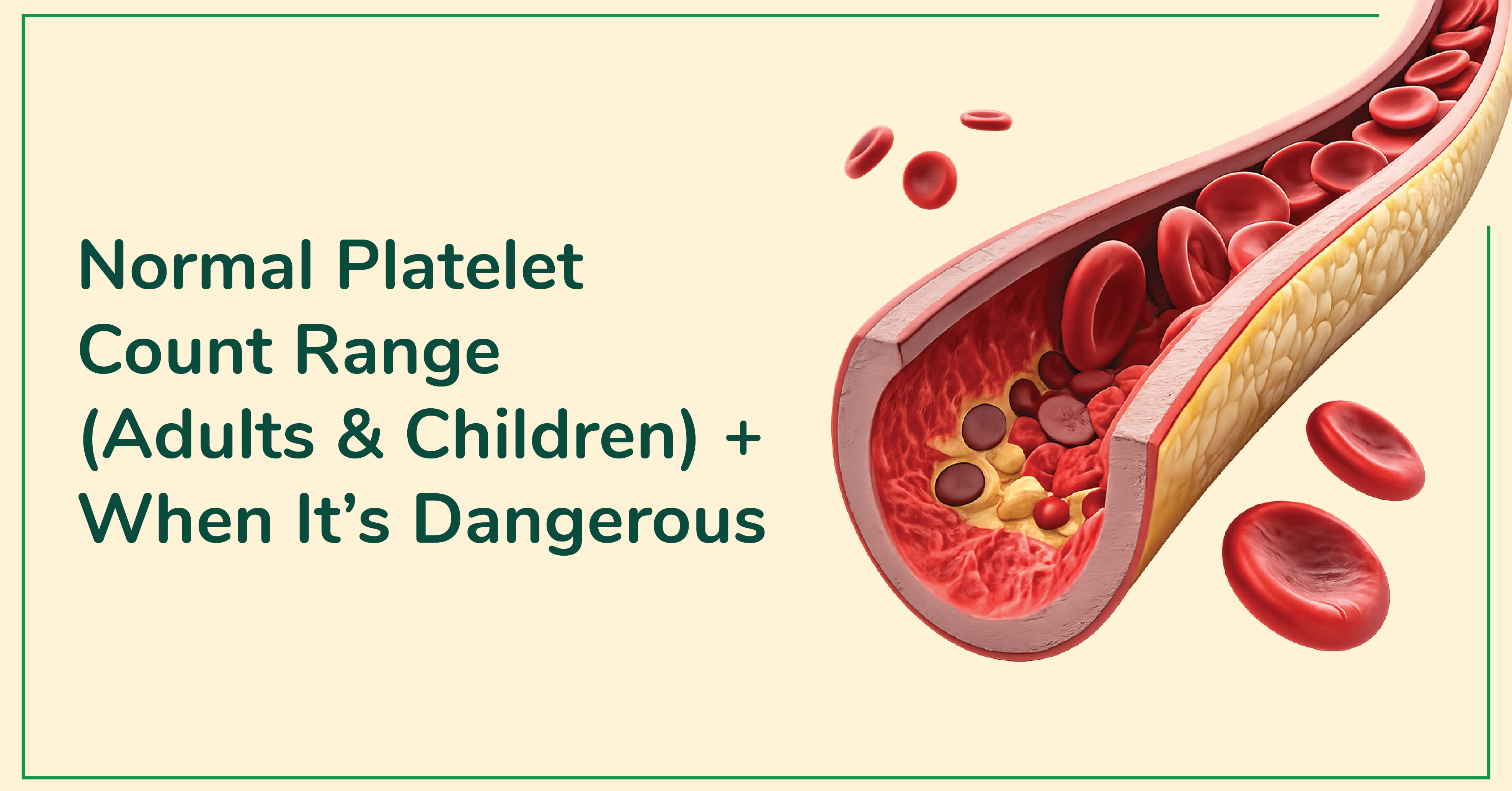
Normal Platelet Count Range (Adults & Children) + When It’s Dangerous
Introduction
Platelets play an essential role in blood clotting and overall health. A low or high platelet count may indicate infections, immune conditions, nutritional deficiencies, or blood-related disorders. Understanding the normal platelet count range in adults and children can help detect potential health concerns early.
This article explains normal platelet levels, warning signs of abnormal counts, common causes, and when platelet levels become dangerous.
What Is a Normal Platelet Count?
Platelets, also called thrombocytes, are tiny blood cells produced in the bone marrow. Their primary function is to help stop bleeding by forming blood clots.
Normal Platelet Count Range in Adults
The normal platelet count range for healthy adults is typically:
- 150,000 to 450,000 platelets per microlitre of blood
Values slightly outside this range may not always indicate a serious condition, but persistent abnormalities should be evaluated by a healthcare professional.
Normal Platelet Count Range in Children
Children generally have a similar platelet count range:
- 150,000 to 450,000 platelets per microlitre
However, platelet levels may fluctuate during infections, viral illnesses, or recovery from fever.
Quick Answer
What is a normal platelet count?
A normal platelet count usually ranges from 150,000 to 450,000 platelets per microlitre of blood in both adults and children. Counts below or above this range may require medical evaluation depending on symptoms and overall health.
Why Are Platelets Important?
Platelets are essential for preventing excessive bleeding. When blood vessels are damaged, platelets gather at the injury site and help form clots.
Functions of Platelets
Platelets help:
- Stop bleeding after injury
- Support wound healing
- Maintain healthy blood clotting
- Protect blood vessels
Abnormal platelet levels can increase the risk of bleeding or clot formation.
When Is a Platelet Count Considered Low?
A platelet count below 150,000 is known as thrombocytopenia.
Mild Low Platelet Count
- 100,000-150,000: Usually mild
- Often monitored without emergency treatment
Moderate Low Platelet Count
- 50,000-100,000
- May increase bruising or bleeding risk
Dangerous Low Platelet Count
- Below 50,000: Higher bleeding risk
- Below 20,000: Severe risk of spontaneous bleeding
Immediate medical care may be needed if symptoms develop.
Symptoms of Low Platelet Count
Low platelet levels may not always cause symptoms initially. However, warning signs can include:
- Easy bruising
- Bleeding gums
- Frequent nosebleeds
- Tiny red spots on skin (petechiae)
- Blood in urine or stool
- Heavy menstrual bleeding
- Fatigue or weakness
When Platelet Count Becomes Dangerous
A dangerously low platelet count can lead to internal bleeding or serious complications, especially during infections like dengue fever.
Seek urgent medical care if symptoms include:
- Persistent bleeding
- Severe weakness
- Vomiting blood
- Black stools
- Difficulty breathing
- Severe headache
Common Causes of Low Platelet Count
Several health conditions may reduce platelet levels.
Viral Infections
Common viral causes include:
- Dengue fever
- Viral flu
- Hepatitis
- COVID-19
Nutritional Deficiencies
Low levels of:
- Vitamin B12
- Folate
- Iron
may affect platelet production.
Medical Conditions
Other possible causes include:
- Bone marrow disorders
- Autoimmune diseases
- Liver disease
- Certain medications
- Chemotherapy treatment
Can High Platelet Count Be Dangerous?
Yes. A high platelet count, known as thrombocytosis, may also require medical evaluation.
Possible Symptoms of High Platelets
Some individuals may experience:
- Headaches
- Dizziness
- Chest pain
- Blood clot risk
- Numbness in hands or feet
Persistent high platelet levels should be assessed by a doctor.
Treatment Overview for Abnormal Platelet Counts
Treatment depends on the underlying cause rather than platelet count alone.
Medical Management
Doctors may recommend:
- Treating infections
- Nutritional supplements
- Hydration support
- Medication adjustments
- Blood tests and monitoring
Supportive Nutritional Care
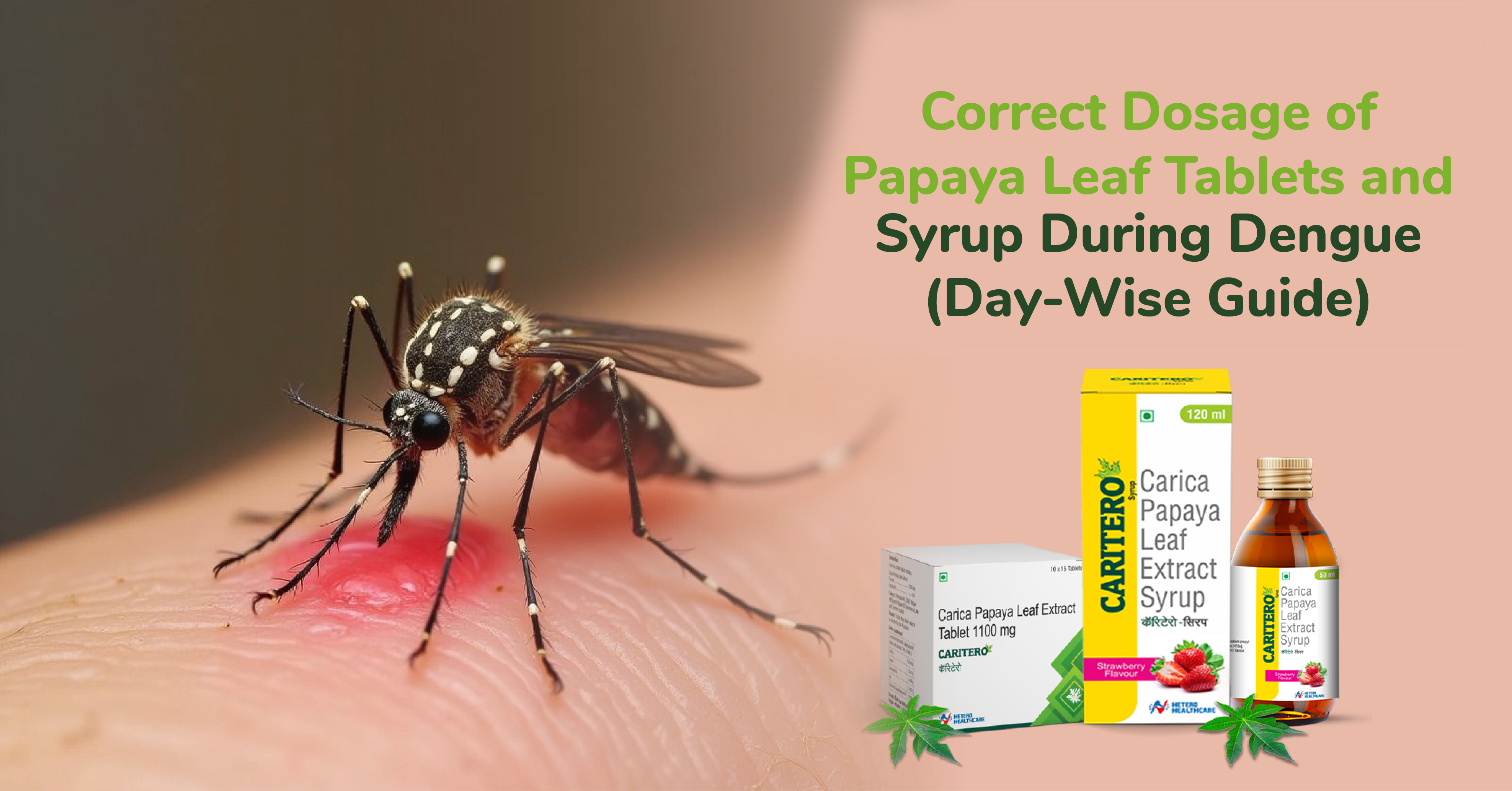
During recovery from viral illnesses such as dengue, some healthcare professionals may recommend papaya leaf-based nutritional supplements as supportive care.
Caritero offers Carica Papaya Tablets and Carica Papaya Syrup, commonly used as supportive nutritional supplements that may help support healthy platelet levels under medical supervision.
How Platelet Support Works
High-Level Mechanism
Platelet support strategies aim to help the body maintain healthy blood production and recovery while addressing the underlying condition causing platelet reduction.
Proper hydration, nutrition, rest, and medical supervision are important during recovery.
Common User Questions About Platelet Count
Is 1.5 lakh platelet count normal?
Yes. A platelet count of 1.5 lakh (150,000) is generally considered within the normal range.
Can platelet count recover naturally?
Yes. Platelet levels often recover naturally after viral infections or temporary illnesses.
Does dengue always cause low platelets?
Not always. However, platelet reduction is common during dengue infection.
What foods may support platelet health?
Balanced nutrition including leafy vegetables, fruits, hydration, and foods rich in folate and vitamin B12 may support overall blood health.
Should low platelet count always be treated?
Treatment depends on the cause, severity, symptoms, and overall health condition.
FAQ’s
What is the ideal platelet count?
The ideal platelet count is usually between 150,000 and 450,000 platelets per microlitre of blood.
At what platelet count is hospitalisation needed?
Hospitalisation may be required if platelet levels are dangerously low or if severe bleeding symptoms occur.
Can stress reduce platelet count?
Stress alone rarely causes severe platelet reduction, but illness and immune responses may affect platelet levels.
Is low platelet count always serious?
Not always. Mild reductions may recover naturally, but severe thrombocytopenia requires medical evaluation.
How often should platelet count be monitored?
Monitoring frequency depends on the medical condition and doctor’s advice.
Key Takeaways
- Normal platelet count ranges from 150,000 to 450,000.
- Both low and high platelet counts may require medical attention.
- Severe thrombocytopenia can increase bleeding risk.
- Viral infections such as dengue commonly affect platelet levels.
- Early monitoring and supportive care are important for recovery.
- Medical guidance is essential before taking supplements or treatments.
Conclusion
Understanding the normal platelet count range in adults and children helps identify potential health concerns early. While mild fluctuations are common, dangerously low or high platelet levels should never be ignored.
Early diagnosis, regular monitoring, and proper medical care play an important role in maintaining healthy platelet levels and overall wellbeing.