Table of Contents

01 Jun, 2026
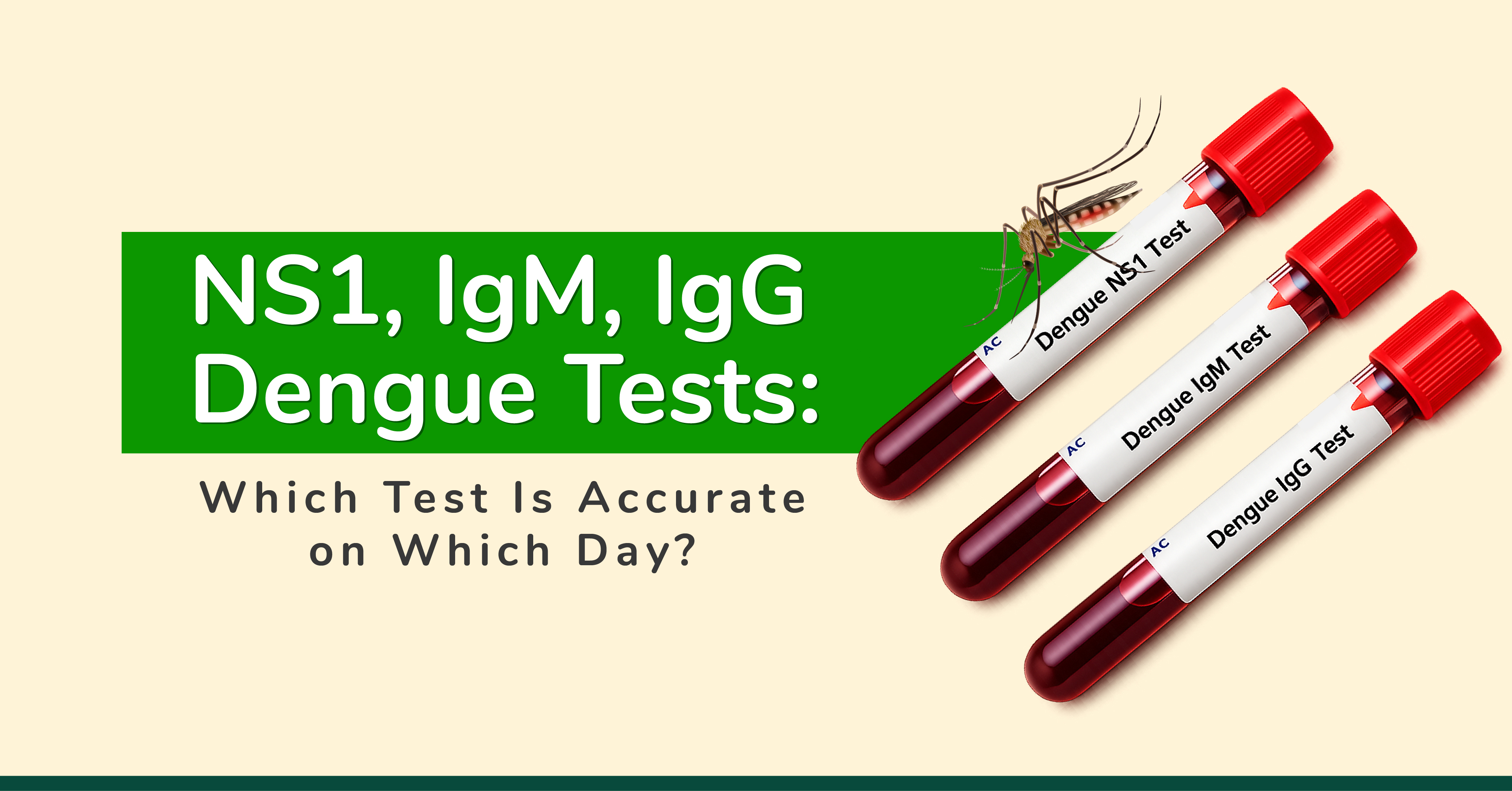
NS1, IgM, IgG Dengue Tests: Which Test Is Accurate on Which Day?
Introduction
Dengue diagnosis depends heavily on timing-choosing the right test on the right day is crucial.
If you or a loved one has symptoms like fever, body aches, or fatigue, you may be wondering which dengue test is most accurate and when to take it.
This guide explains NS1, IgM, and IgG dengue tests, their accuracy based on illness stage, and how to support recovery during dengue.
Disease Overview - Understanding Dengue Infection
Dengue is a viral infection transmitted by mosquitoes, commonly seen in tropical and subtropical regions.
Common dengue symptoms
- High fever (sudden onset)
- Severe headache
- Joint and muscle pain (“breakbone fever”)
- Nausea and vomiting
- Skin rash
- Fatigue and weakness
Why early diagnosis matters
Early and accurate testing helps:
- Confirm dengue infection
- Monitor disease progression
- Prevent complications like severe dengue
Types of Dengue Tests
There are three primary diagnostic tests used in dengue:
NS1 Antigen Test
- Detects dengue virus protein (NS1 antigen)
- Useful in the early phase of infection
IgM Antibody Test
- Detects IgM antibodies produced by the immune system
- Indicates recent dengue infection
IgG Antibody Test
- Detects IgG antibodies
- Indicates past infection or secondary dengue infection
Which Dengue Test Is Accurate on Which Day?
Choosing the right test depends on how many days have passed since symptoms began.
Day-wise accuracy guide
- Day 1-5:
- NS1 test is most accurate
- Virus is actively present in the blood
- Day 5-7:
- NS1 may still detect infection
- IgM starts becoming detectable
- Day 7-10:
- IgM test becomes more reliable
- NS1 accuracy decreases
- After Day 10:
- IgG test helps identify past or secondary infection
Treatment Overview - Managing Dengue
There is no specific antiviral treatment for dengue, so management focuses on supportive care.
General treatment approaches
- Adequate hydration (oral fluids or IV if needed)
- Fever management (as advised by a doctor)
- Rest and monitoring
Importance of platelet monitoring
Dengue can cause a drop in platelet count, which requires careful observation.
How the Body Responds to Dengue
Mechanism of infection (high-level)
- The dengue virus enters the bloodstream through a mosquito bite
- It multiplies and triggers an immune response
- The body produces antibodies (IgM and IgG)
- Platelet levels may decrease due to immune and viral effects
Supporting Recovery During Dengue
Nutritional and supportive care
Recovery focuses on:
- Staying hydrated
- Consuming easily digestible foods
- Supporting immune response
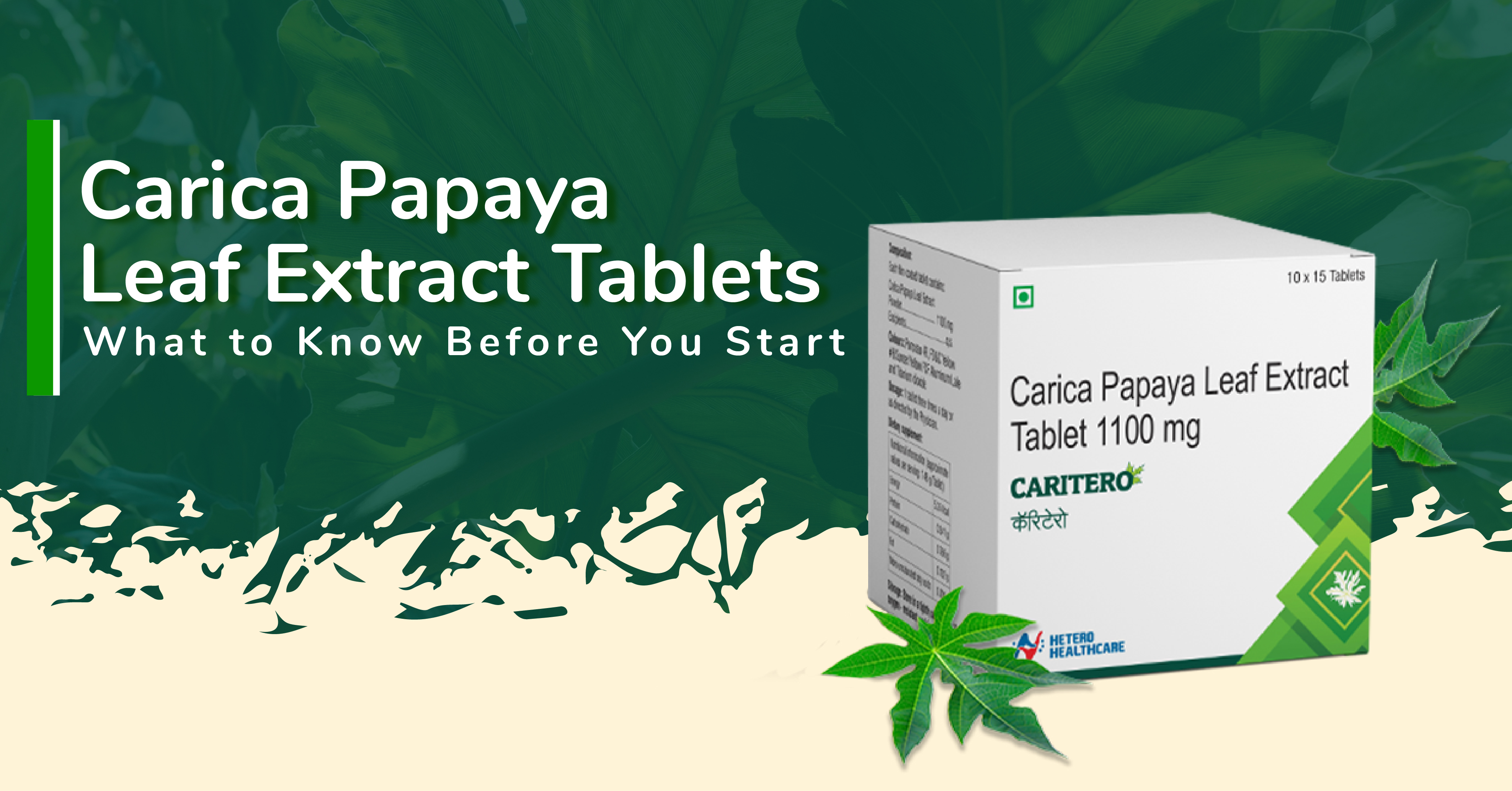
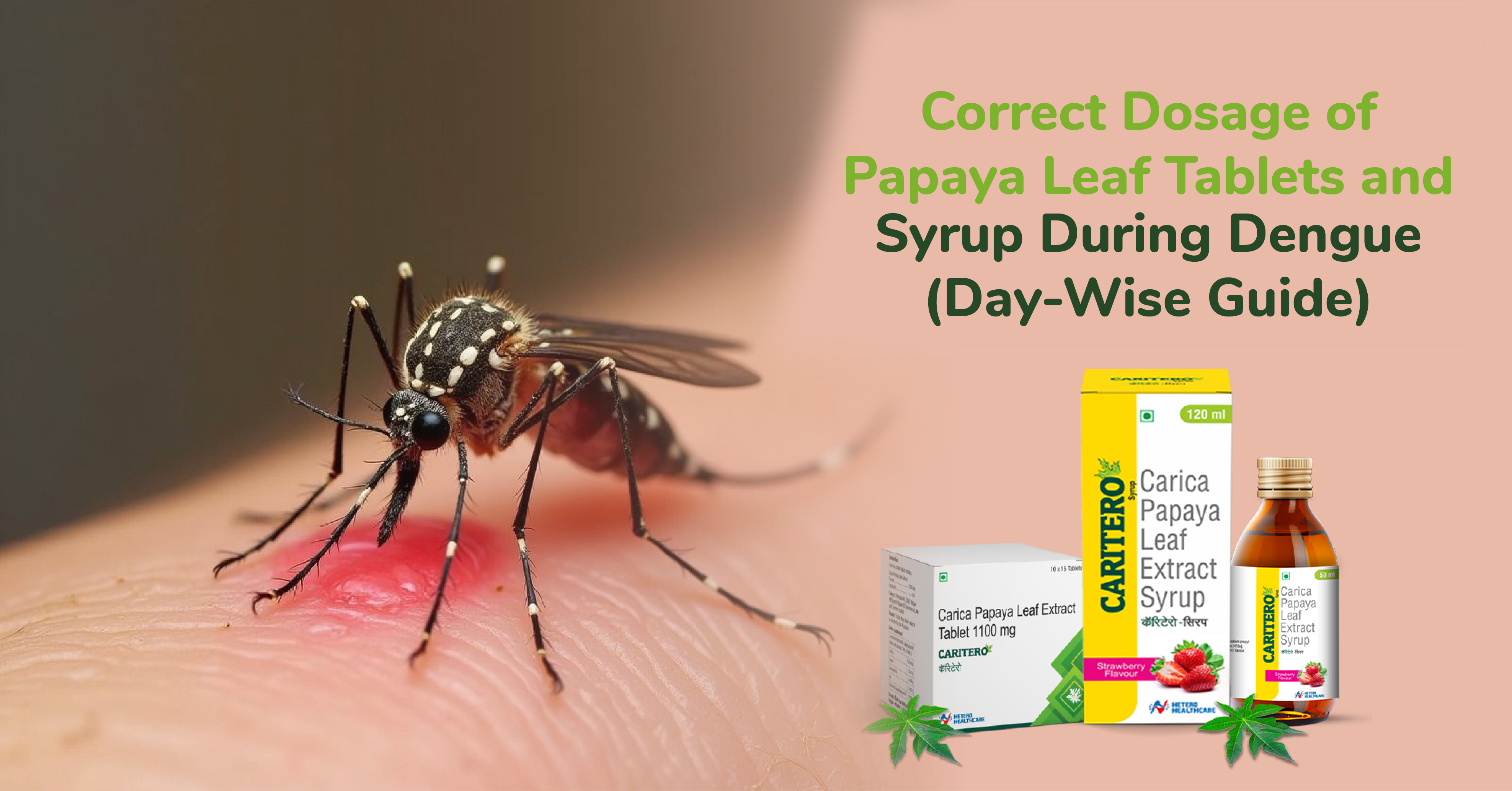
Role of papaya leaf-based supplements
Papaya leaf extract has been traditionally used to support platelet health during dengue.
Products like Carica Papaya Syrup and Carica Papaya Tablets are formulated to:
- Support platelet count
- Aid recovery
- Promote overall wellbeing during dengue
You can explore more about such formulations on Caritero, which provides detailed information on dengue care and supportive products.
Common User Questions
Which dengue test is best in early stages?
The NS1 antigen test is most accurate during the first 5 days of infection.
When does IgM become positive?
IgM antibodies usually become detectable around day 5-7 after symptoms begin.
Can IgG detect current dengue infection?
IgG is mainly used to detect past infection or secondary dengue and is not ideal for early diagnosis.
How do I know if my dengue is getting worse?
Warning signs include:
- Severe abdominal pain
- Persistent vomiting
- Bleeding
- Sudden drop in platelet count
Immediate medical attention is required in such cases.
Safety and Usage Overview
- Always consult a healthcare professional for diagnosis
- Do not rely solely on home remedies
- Use supportive supplements under guidance
- Monitor symptoms and platelet levels regularly
Disclaimer: This content is for educational purposes only and does not replace medical advice.
FAQ
1. Which dengue test is most accurate?
NS1 is most accurate in the first 5 days, while IgM becomes reliable after day 5, and IgG is used later for past infection.
2. Can dengue be detected on day 1?
Yes, the NS1 antigen test can detect dengue from day 1 of symptoms.
3. Why is timing important in dengue testing?
Because different markers (antigen vs antibodies) appear at different stages of infection, affecting test accuracy.
4. Do papaya leaf supplements help in dengue?
Papaya leaf extracts are commonly used to support platelet count and recovery, but they should be used alongside medical care.
5. When should I repeat a dengue test?
If initial results are negative but symptoms persist, doctors may recommend repeat testing after a few days.
Key Takeaways
- NS1 test is best for early dengue detection (Day 1-5)
- IgM is useful after Day 5
- IgG indicates past or secondary infection
- Timing is critical for accurate diagnosis
- Supportive care and monitoring are essential
Conclusion
Understanding which dengue test to take-and when-can make a significant difference in early diagnosis and proper management. Since dengue progresses in stages, choosing between NS1, IgM, and IgG tests based on symptom timing helps ensure accurate results.
Alongside medical care, supporting recovery through hydration, nutrition, and monitored care is essential. Resources available on Caritero can help you better understand dengue management and supportive options like papaya leaf-based formulations, enabling more informed decisions during recovery