Table of Contents

25 Nov, 2025
Dengue Fever: Symptoms, Causes & Prevention Guide
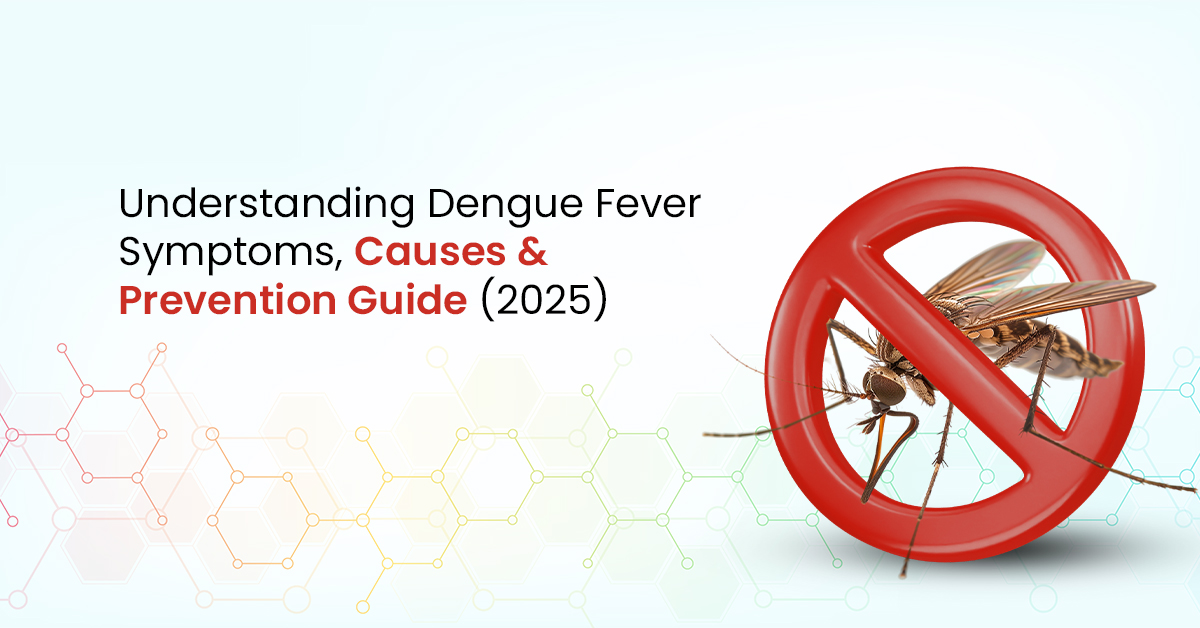
Dengue fever is a viral infection spread by Aedes mosquitoes, particularly common in tropical and subtropical regions. With the potential to affect anyone, understanding the symptoms, causes, and preventive measures is essential to keeping yourself and your family safe, especially during the monsoon season.
What Causes Dengue Fever?
Dengue is caused by the dengue virus, transmitted to humans through the bite of an infected Aedes mosquito. These mosquitoes are most active during the day, particularly in the early morning and late afternoon. Once infected, a mosquito can spread the virus to others it bites, completing the transmission cycle.
Common Symptoms of Dengue Fever
Symptoms usually appear 4-10 days after being bitten by an infected mosquito. Dengue often starts like a flu but can progress to more severe forms if not managed promptly.
Typical symptoms include:- High fever (up to 40°C)
- Severe headache and pain behind the eyes
- Muscle and joint pain
- Nausea, vomiting, and loss of appetite
- Skin rash appearing after a few days
- Fatigue and weakness
Severe Dengue - Warning Signs
Severe dengue requires immediate medical attention. Look for these warning signs:
- Severe abdominal pain
- Persistent vomiting
- Bleeding from gums, nose, or skin
- Blood in vomit or stool
- Cold, clammy skin
- Extreme fatigue or restlessness
- Rapid or difficult breathing
How Dengue Spreads
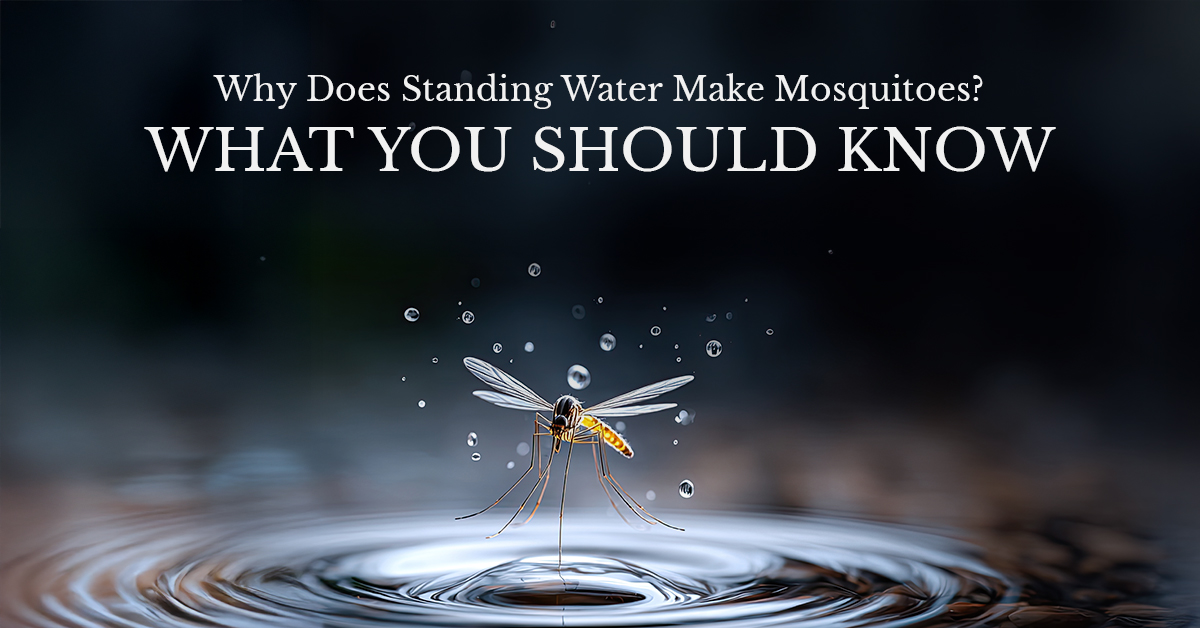
Dengue spreads through bites from infected Aedes mosquitoes. These mosquitoes breed in stagnant, clean water around homes, such as in flower pots, water tanks, old tyres, and buckets. Eliminating these breeding spots is a critical step in prevention.
Dengue Prevention Tips
Avoid Mosquito Bites
- Wear light-coloured, long-sleeved shirts and trousers
- Apply child-safe mosquito repellents when outdoors
- Install window and door screens to keep mosquitoes out
Reduce Mosquito Breeding Sites
- Empty and clean flowerpots, vases, and trays regularly
- Cover water storage containers and tanks
- Dispose of unused containers that collect water
- Clean drains and gutters to prevent water stagnation
Home Protection Measures
- Sleep under mosquito nets, especially infants and elderly
- Use plug-in mosquito repellents or coils indoors
- Keep rooms clean, ventilated, and dry
Supporting Recovery and Platelet Health
There is no specific cure for dengue. Recovery relies on hydration, rest, and symptom management.
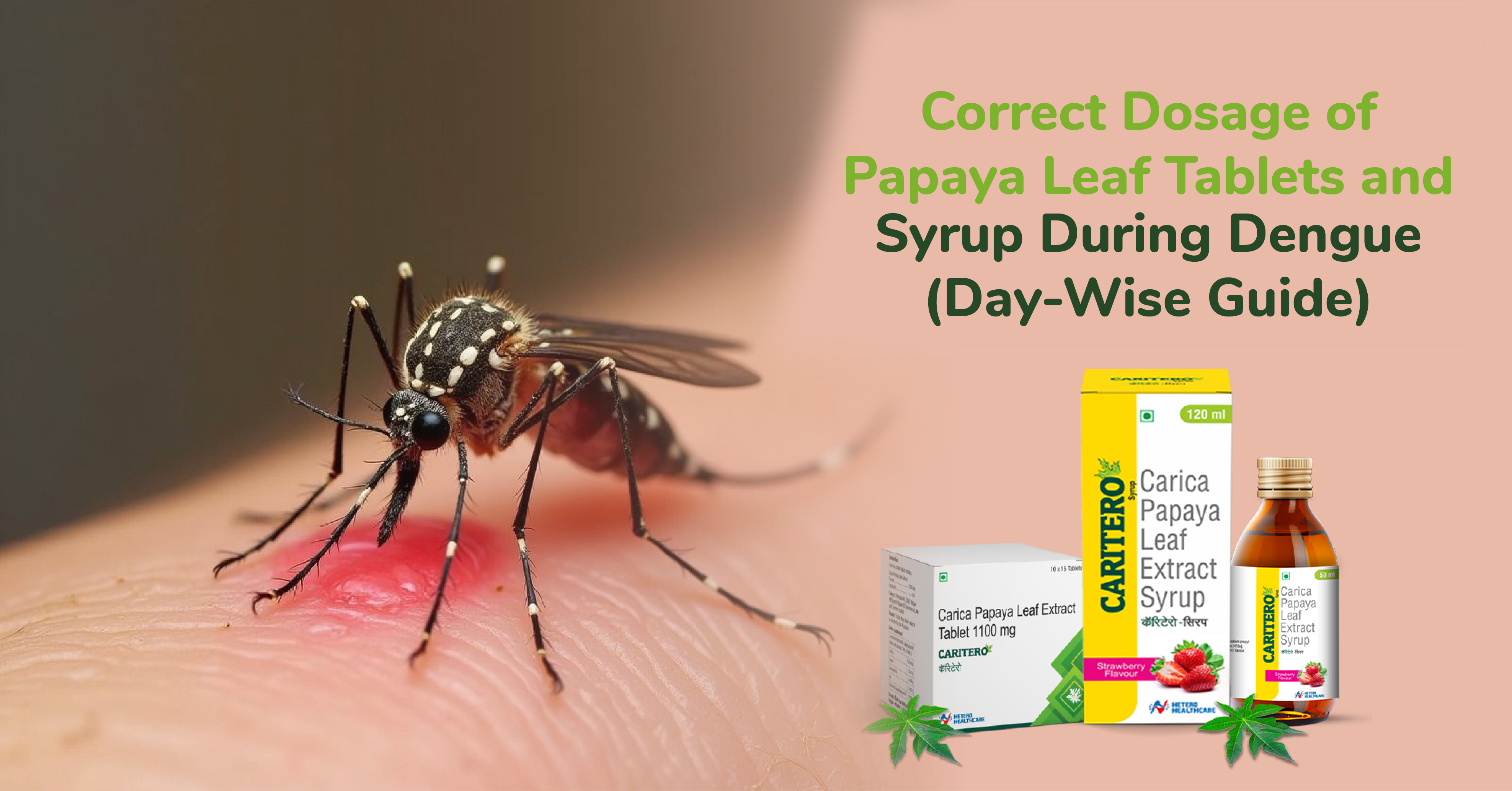
Natural supplements like Carica papaya leaf extract can help support platelet levels and aid recovery. When used alongside a healthy diet and medical supervision, they provide gentle, natural support for the body to regain strength.
When to Seek Medical Help
Seek medical attention if:
- Seek medical attention if:
- Fever persists beyond a few days
- There is significant bleeding or fainting
- Difficulty in breathing or dehydration occurs
Prompt care significantly improves recovery outcomes.
Conclusion
Dengue is serious but preventable. By recognising symptoms early, taking preventive measures at home, and supporting recovery naturally with a healthy diet and platelet-support supplements, you can protect yourself and your family. Stay vigilant, reduce mosquito exposure, and maintain good health to safely navigate dengue season
Frequently Asked Questions (FAQs)
1. What is the incubation period for dengue?Symptoms usually appear 4-10 days after a mosquito bite.
2. Is dengue contagious between people?No, dengue spreads only through infected mosquito bites.
3. Can dengue be fatal?Severe dengue can be life-threatening if not treated promptly.
4. How long does a dengue infection last?Symptoms last 2-7 days, but fatigue may continue for weeks.
5. Are children at higher risk?Yes, children may experience severe symptoms and require close monitoring.
6. Can you get dengue more than once?Yes, infection with one type does not provide immunity against other types.
7. Does dengue have a cure?No, treatment focuses on supportive care, hydration, and symptom management.
8. How can dengue be prevented at home?Eliminate stagnant water, use repellents, wear protective clothing, and maintain clean indoor spaces.