Table of Contents

15 Jul, 2026
Dengue Critical Phase Day 3-6: Symptoms You Must Not Ignore
Introduction
The dengue critical phase day 3-6 is when plasma leakage, internal bleeding, dehydration, and organ complications may develop rapidly. Early recognition of warning signs can help patients receive timely medical attention and reduce the risk of severe dengue complications.
This article explains the symptoms to watch for, how dengue progresses during the critical phase, available treatment approaches, and common questions about dengue care and recovery.
What Is the Dengue Critical Phase?
Why Is This Phase Dangerous?
Many people mistakenly assume the patient is improving once the fever drops. However, the reduction in fever can coincide with:
- Sudden plasma leakage
- Low platelet count
- Reduced blood pressure
- Internal bleeding
- Shock syndrome
What Causes Severe Dengue?
- Secondary dengue infection
- Weak immune response
- Delayed medical care
- Existing medical conditions
- Severe dehydration
Symptoms During Dengue Critical Phase Day 3-6
Symptoms You Must Not Ignore
- Severe abdominal pain
- Persistent vomiting
- Bleeding gums or nosebleeds
- Blood in vomit or stool
- Extreme fatigue or restlessness
- Difficulty breathing
- Cold or clammy skin
- Reduced urine output
- Sudden dizziness or fainting
These symptoms may indicate severe dengue or dengue haemorrhagic fever.
Platelet Count and Dengue
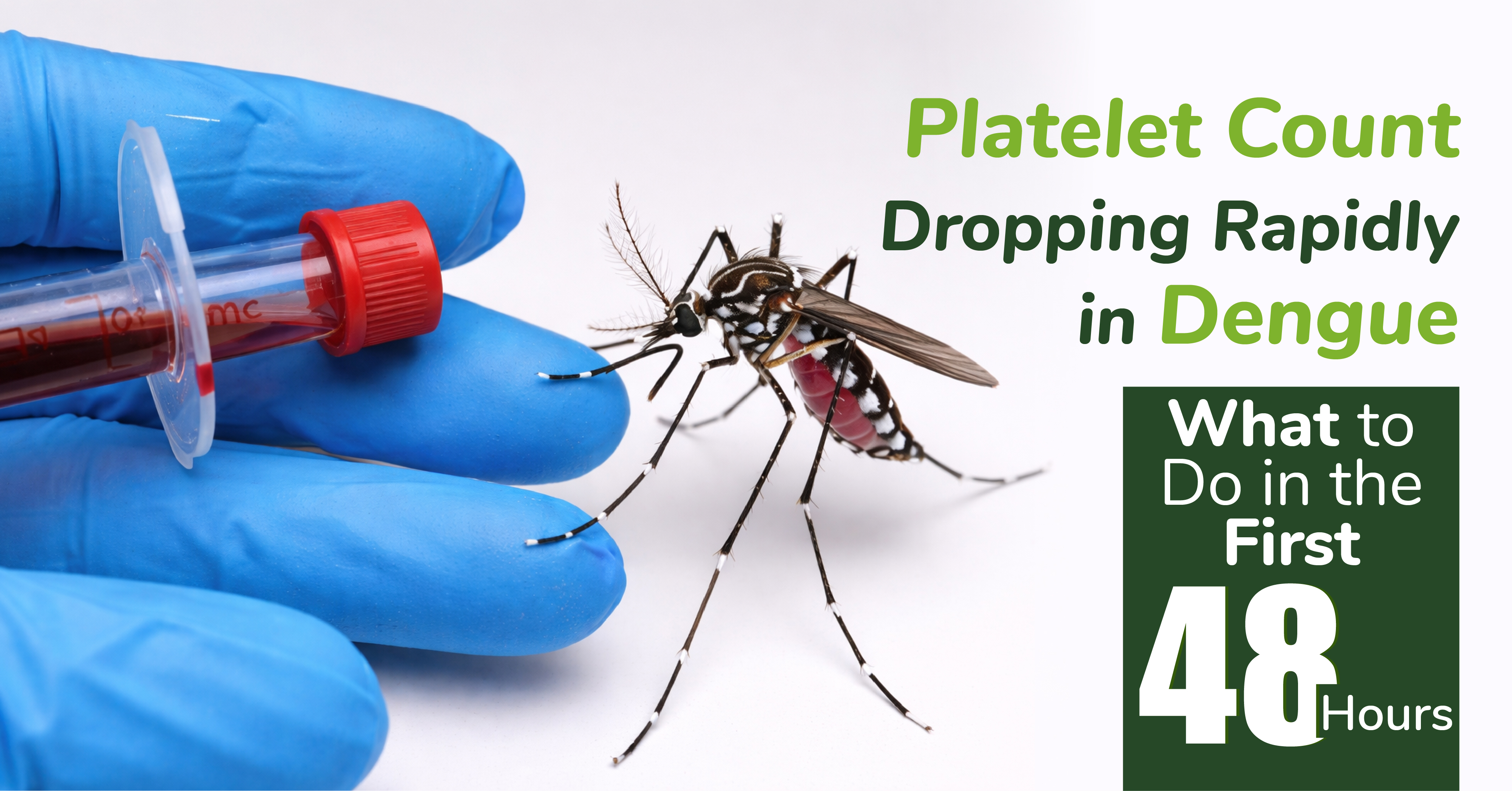
A falling platelet count is common during dengue infection. However, platelet numbers alone do not always indicate severity. Doctors also monitor:
- Haematocrit levels
- Blood pressure
- Fluid balance
- Liver function
- Signs of bleeding
Self-medication or unnecessary platelet transfusions should be avoided unless advised by healthcare professionals.
Early Warning Answer
What happens during dengue critical phase day 3-6?
During the dengue critical phase, patients may develop plasma leakage, bleeding, dehydration, breathing difficulty, and dangerously low blood pressure. This stage usually begins when fever starts reducing and requires close medical monitoring to prevent severe complications.
Disease Overview: Understanding Dengue Fever
Common Dengue Symptoms
Early dengue symptoms often include:
- High fever
- Severe headache
- Muscle and joint pain
- Skin rash
- Nausea
- Eye pain
- Fatigue
Most mild cases improve within one week. However, some individuals enter the dangerous critical phase.
Who Is at Higher Risk?
- Children and older adults
- Pregnant women
- Individuals with chronic illness
- Patients with previous dengue infection
- Immunocompromised individuals
Treatment Overview for Dengue Critical Phase
Standard Dengue Management
Doctors may recommend:
- Oral or intravenous fluids
- Monitoring platelet count
- Blood pressure observation
- Rest and hydration
- Fever management with paracetamol
Non-steroidal anti-inflammatory drugs (NSAIDs), such as ibuprofen or aspirin, are generally avoided because they may increase bleeding risk.
Hospitalisation During Critical Phase
- Fluid replacement therapy
- Monitoring for shock
- Oxygen support
- Blood tests
- Management of complications
Early intervention significantly improves outcomes.
How Dengue Treatment Works
High-Level Mechanism of Supportive Care
Supportive dengue treatment aims to help the body maintain stable circulation and hydration while the immune system clears the virus naturally.
Fluid management is particularly important because severe dengue may cause blood plasma to leak from blood vessels, leading to reduced blood pressure and organ stress.
Why Monitoring Matters
Close monitoring helps healthcare professionals detect:
- Internal bleeding
- Organ involvement
- Shock syndrome
- Dangerous dehydration
- Respiratory complications
Prompt medical support can prevent progression to severe illness.
Common User Questions About Dengue Critical Phase
Can Dengue Become Severe After Fever Reduces?
Yes. Severe dengue often develops after the fever begins to settle. This is why day 3-6 is considered the most critical period.
How Long Does the Critical Phase Last?
The critical phase usually lasts 24-48 hours. Careful monitoring during this time is essential.
Is Low Platelet Count Always Dangerous?
Not necessarily. Doctors assess the patient’s overall condition, hydration status, bleeding symptoms, and blood test results rather than platelet count alone.
When Should Someone Go to Hospital?
Immediate medical attention is needed if the patient experiences:
- Persistent vomiting
- Severe abdominal pain
- Bleeding
- Difficulty breathing
- Extreme weakness
- Reduced urine output
Can Dengue Be Managed at Home?
Mild dengue cases may recover at home with hydration and medical guidance. However, patients entering the critical phase should remain under professional supervision if warning signs appear.
FAQ’s
What is the most dangerous day of dengue fever?
The most dangerous period is usually between day 3 and day 6, when the fever begins to decrease and severe complications may develop.
What are the warning signs of severe dengue?
Warning signs include abdominal pain, vomiting, bleeding, breathing difficulty, dizziness, cold skin, and extreme weakness.
Does every dengue patient enter the critical phase?
No. Many dengue infections remain mild. However, some patients may progress to severe dengue and require hospital care.
How much water should dengue patients drink?
Hydration needs vary depending on age, health status, and symptoms. Patients should follow medical advice regarding fluid intake.
Can platelet count recover naturally?
Yes. In many dengue cases, platelet counts recover naturally as the infection resolves.
Is dengue contagious from person to person?
No. Dengue spreads through infected mosquito bites rather than direct human contact.
Key Takeaways
- The dengue critical phase usually occurs between day 3 and day 6.
- Severe symptoms may begin after fever starts reducing.
- Warning signs include bleeding, abdominal pain, vomiting, and breathing difficulty.
- Early medical monitoring reduces the risk of severe complications.
- Supportive care and hydration remain the main treatment approaches.
- Patients should avoid self-medication without professional guidance.
Conclusion
The dengue critical phase day 3-6 is a medically important period that requires careful attention and monitoring. While many patients assume they are recovering once the fever decreases, severe dengue complications may appear suddenly during this stage.
Recognising early warning signs and seeking timely medical care can significantly improve recovery outcomes. Patients and caregivers should remain alert to symptoms such as bleeding, persistent vomiting, severe weakness, and breathing difficulty.
Caritero offers Carica Papaya Tablets and Carica Papaya Syrup, commonly used as supportive nutritional supplements that may help support healthy platelet levels during dengue recovery under medical guidance.