Table of Contents

15 Jun, 2026
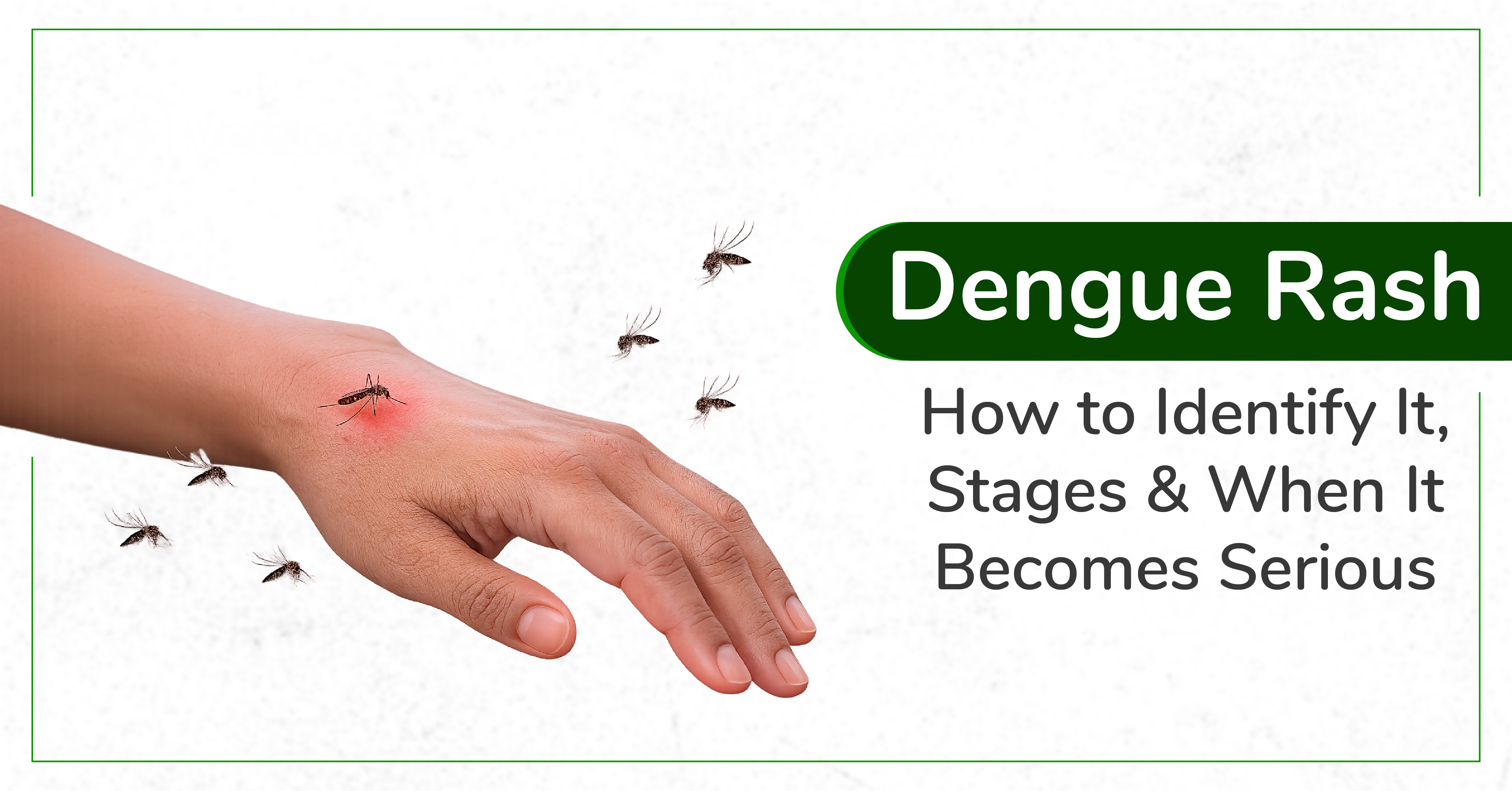
Dengue Rash: How to Identify It, Stages & When It Becomes Serious
Introduction
A dengue rash can be one of the earliest visible signs of infection—but not all rashes are the same.
If you or someone around you has a fever along with skin changes, understanding how to identify a dengue rash can help with early detection and timely care.
In this guide, we explain how dengue rash looks, its stages, when it becomes serious, and what supportive care may help during recovery.
Disease Overview - Understanding Dengue and Skin Symptoms
Dengue is a mosquito-borne viral infection that often presents with fever, body aches, and skin changes.
Common dengue symptoms
- High fever
- Severe headache
- Joint and muscle pain
- Nausea and vomiting
- Fatigue
- Skin rash
Why does dengue cause a rash?
The rash is usually a result of:
- The body's immune response to the virus
- Changes in blood vessels
- Mild bleeding under the skin in some cases
How to Identify a Dengue Rash
Dengue rash can vary in appearance depending on the stage of infection.
Early dengue rash (Day 1-3)
- Light flushing of the skin
- Redness, especially on the face and neck
- Often mistaken for simple fever-related skin changes
Typical dengue rash (Day 4-6)
- Red spots or patches
- "Islands of white in a sea of red" appearance
- Itchy or mildly irritating
Late-stage rash (Recovery phase)
- Peeling or dryness of skin
- Reduced redness
- Gradual fading
Stages of Dengue Rash
1. Febrile stage
- High fever
- Mild skin flushing
2. Critical stage
- Rash becomes more noticeable
- Platelet count may drop
- Symptoms may worsen
3. Recovery stage
- Rash fades
- Skin may peel
- Energy levels slowly improve
When Does Dengue Rash Become Serious?
Not all rashes are dangerous, but some signs require immediate attention.
Warning signs
- Rash with bleeding (nose, gums, or under skin)
- Severe abdominal pain
- Persistent vomiting
- Sudden drop in platelet count
- Extreme fatigue or restlessness
If these symptoms appear, seek urgent medical care.
Treatment Overview - Managing Dengue Rash
There is no specific treatment for dengue rash itself. Care focuses on managing the infection.
General management includes:
- Adequate hydration
- Rest
- Fever control (as advised by a doctor)
- Monitoring platelet count
Skin care tips
- Avoid scratching
- Wear loose clothing
- Keep skin clean and hydrated
How Dengue Affects the Body
Mechanism of rash and symptoms (high-level)
- The dengue virus triggers immune responses
- Blood vessels become more permeable
- Platelet levels may decrease
- Skin changes appear as part of the body's response
Supporting Recovery During Dengue
Nutrition and platelet support
Recovery involves:
- Fluid intake (water, ORS, soups)
- Light, nutritious meals
- Monitoring symptoms
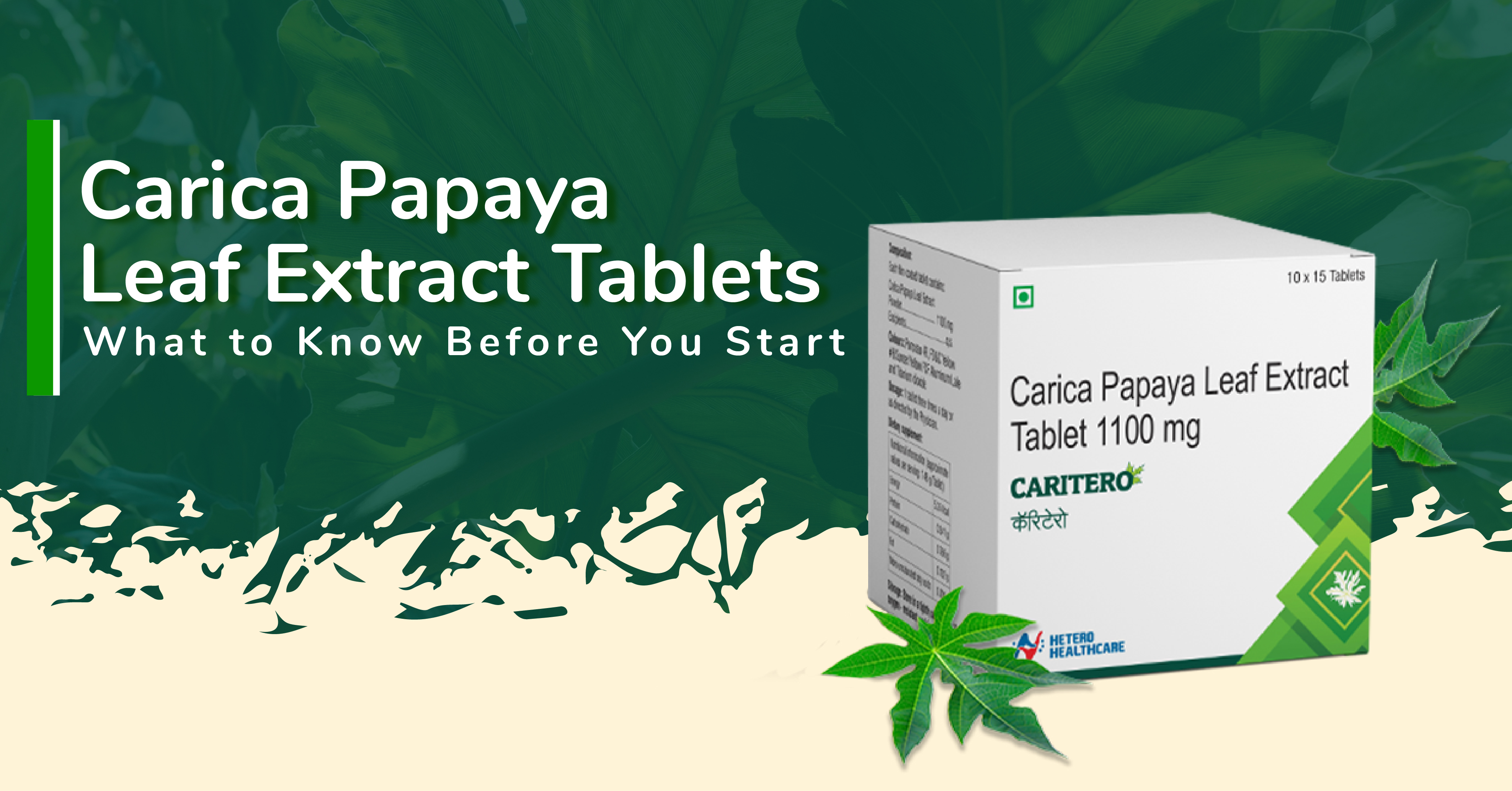
Role of papaya leaf-based support
Papaya leaf extract is commonly used as supportive care during dengue.
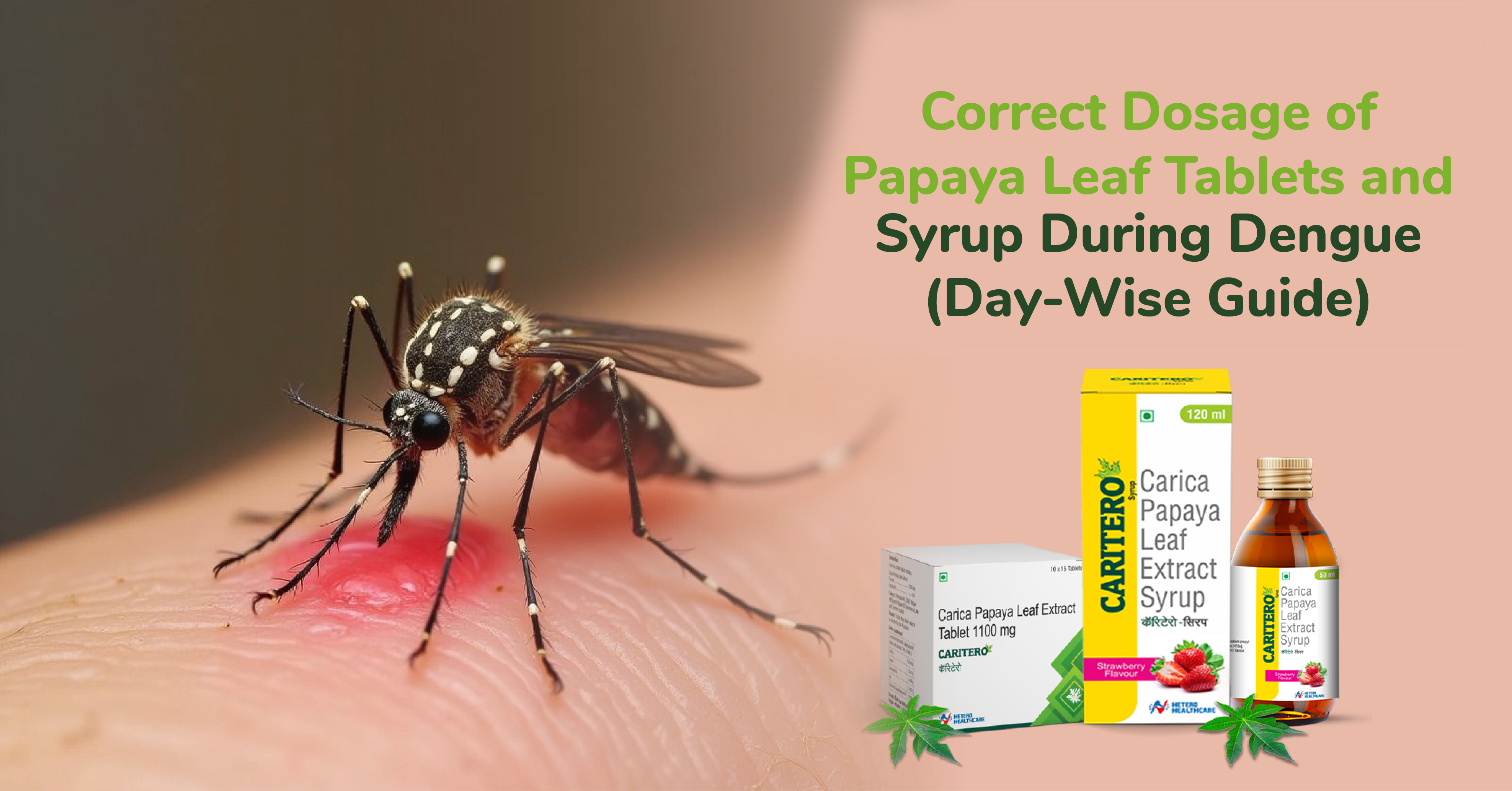
Products like Carica Papaya Syrup and Carica Papaya Tablets are formulated to:
- Support platelet count
- Aid recovery
- Improve overall wellbeing
More information on dengue care and supportive options is available through Caritero.
Common User Questions
Does everyone with dengue get a rash?
No, not all patients develop a rash. However, it is a common symptom in many cases.
Is dengue rash itchy?
It can be mildly itchy, especially during the later stages.
How long does dengue rash last?
Typically, the rash lasts a few days and fades during recovery.
Can dengue rash spread?
The rash itself is not contagious, but dengue spreads through mosquito bites.
Safety and Usage Overview
- Always consult a doctor for dengue symptoms
- Do not rely only on home remedies
- Monitor warning signs carefully
- Use supplements only under guidance
Disclaimer: This content is for informational purposes only and does not replace medical advice.
FAQ
1. What does a dengue rash look like?
It often appears as red spots or patches, sometimes described as "white islands in a red sea."
2. When does dengue rash appear?
It usually appears between Day 3 and Day 6 of infection.
3. Is dengue rash dangerous?
Most rashes are mild, but those associated with bleeding or severe symptoms require urgent care.
4. How can I treat dengue rash at home?
Focus on hydration, rest, and gentle skin care. Always follow medical advice.
5. Do papaya leaf supplements help during dengue?
They are commonly used to support platelet count and recovery, alongside medical care.
Key Takeaways
- Dengue rash changes with different stages of infection
- Early identification helps in timely care
- Not all rashes are dangerous, but warning signs must be recognised
- Supportive care is essential for recovery
- Medical supervision is important
Conclusion
A dengue rash can provide important clues about the stage and progression of the infection. Recognising its patterns and knowing when it becomes serious can help ensure timely medical care and better outcomes.
Along with proper diagnosis and monitoring, supportive care plays a key role in recovery. Platforms like Caritero offer helpful information on dengue management and supportive options such as papaya leaf-based formulations, enabling patients and caregivers to make more informed decisions during the recovery process.