01 Jun, 2026
Gut Health After 40: How Aging Impacts Digestion & Probiotic Needs
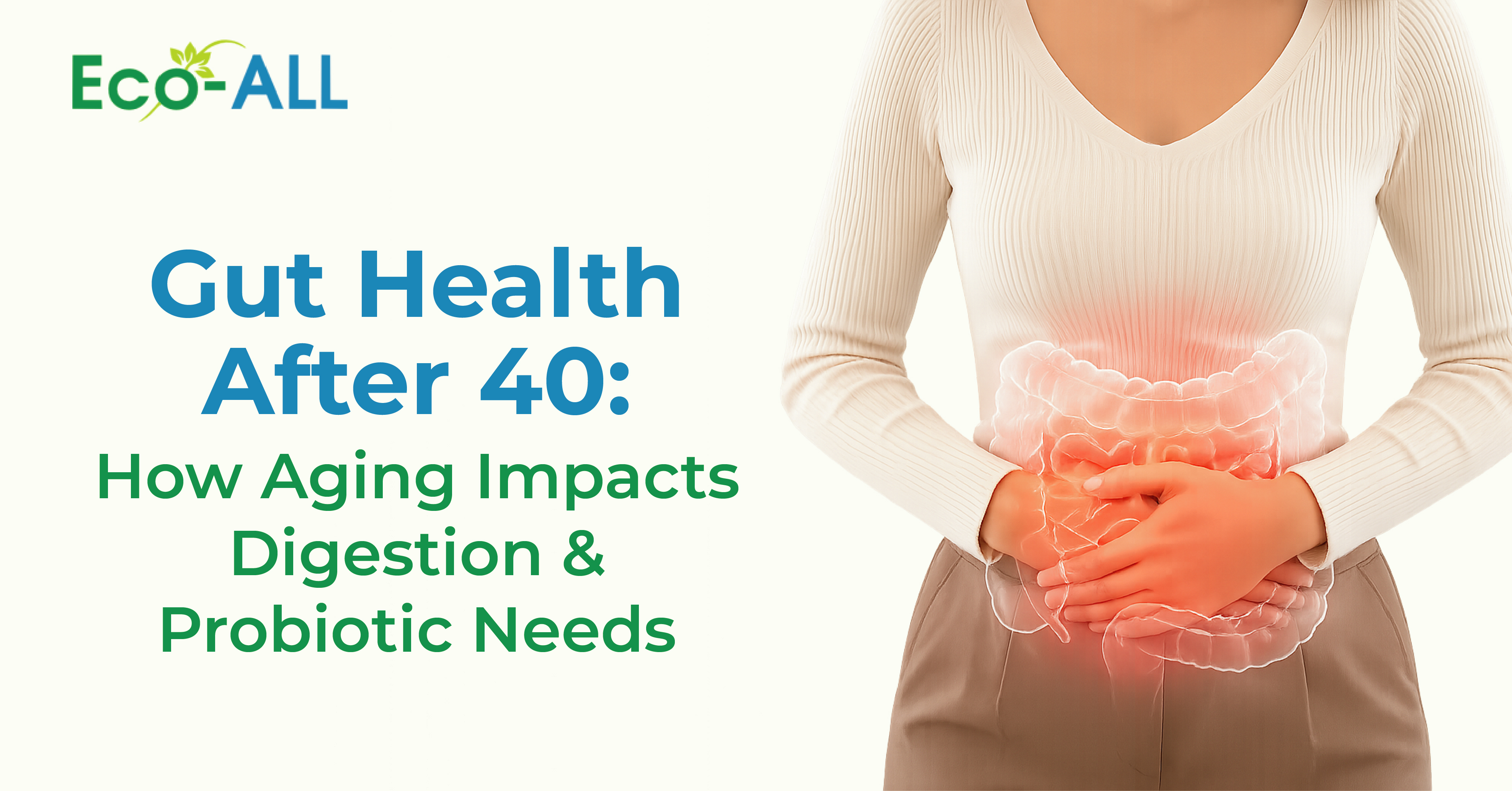
Turning 40 is often seen as a milestone for career stability, emotional maturity, and life experience-but it also marks subtle yet important changes in your body. One of the most significant and often overlooked changes happens in your digestive system.
If you.ve started noticing frequent bloating, slower digestion, unexplained fatigue, or even new food sensitivities, your gut could be the reason. Gut health after 40 becomes more than just a wellness trend-it becomes essential for maintaining energy, immunity, and long-term health.
How Aging Affects Your Digestive System
As you grow older, your digestive system doesn.t function with the same efficiency as before. These changes are gradual, which is why many people don.t notice them until symptoms start affecting daily life.
One of the key changes is the slowing down of metabolism. This directly impacts how quickly your body processes food. You may find that meals feel heavier or take longer to digest, especially if they are oily.
Another important factor is the reduction in stomach acid production. Stomach acid plays a critical role in breaking down food and absorbing nutrients. When acid levels decrease, your body struggles to digest protein efficiently and absorb essential vitamins like B12 and iron. Over time, this can lead to fatigue and nutritional deficiencies.
Additionally, your gut microbiome-the ecosystem of good and bad bacteria in your digestive tract-undergoes significant changes. With age, beneficial bacteria tend to decline, while harmful bacteria may increase. This imbalance, known as gut dysbiosis, can lead to issues like bloating, gas, and irregular bowel movements.
Why Gut Health Becomes More Important After 40
Gut health is not just about digestion-it.s closely connected to nearly every system in your body.
As your digestive efficiency decreases, your body may not absorb nutrients as effectively as before. Even if your diet is healthy, poor absorption can result in low energy levels, weaker immunity, and slower recovery from illness.
Another major concern is inflammation. Poor gut health is often linked to chronic inflammation, which increases the risk of lifestyle diseases such as diabetes, heart disease, and obesity-conditions that commonly appear after 40.
There.s also a strong connection between your gut and brain, often referred to as the gut-brain axis. An unhealthy gut can influence mood, stress levels, and mental clarity. This is why many people experience brain fog or increased stress when their digestion is off.
Common Digestive Issues People Experience After 40
Many people assume digestive discomfort is "normal" with age, but it.s actually a sign that your gut needs attention.
Bloating and gas are among the most common complaints. These often occur due to slower digestion or imbalance in gut bacteria. Constipation also becomes more frequent as gut motility decreases and hydration levels drop.
Acid reflux is another issue that tends to appear more often after 40, especially when dietary habits and stress levels are not well managed.
You may also notice new food intolerances. Foods that you previously digested easily-like dairy or spicy meals-might suddenly cause discomfort. This is often linked to reduced enzyme production and changes in gut bacteria.
Understanding Probiotic Needs After 40
As your gut microbiome changes, probiotics become increasingly important in maintaining balance.
Probiotics are beneficial bacteria that support digestion and overall gut function. They help restore the natural balance of your microbiome, especially when it.s disrupted by aging, stress, or poor diet.
After 40, your body may not produce enough of these beneficial bacteria on its own. This is why including probiotic-rich foods or supplements becomes essential.
Natural sources of probiotics include yogurt with live cultures, buttermilk, and fermented foods like kimchi and sauerkraut. In Indian diets, fermented foods like idli and dosa batter are excellent natural sources as well.
In some cases, especially if you experience frequent digestive issues or have recently taken antibiotics, probiotic supplements can provide additional support. However, it.s important to choose the right strains based on your specific needs.
How to Improve Gut Health Naturally After 40
Improving gut health doesn.t require extreme changes. Instead, it.s about building consistent, sustainable habits.
One of the most effective ways to support your gut is by increasing fiber intake. Fiber acts as food for good bacteria and helps regulate bowel movements. Including fruits, vegetables, and whole grains in your daily diet can significantly improve digestion.
Hydration is equally important. Drinking enough water helps break down food and ensures smooth movement through your digestive tract, reducing the risk of constipation.
Managing stress is another crucial factor. Chronic stress can disrupt gut bacteria and slow digestion. Practices like yoga, meditation, or even simple breathing exercises can have a positive impact on your gut.
Physical activity also plays a key role. Regular movement stimulates digestion and improves gut motility. Even a daily walk can make a noticeable difference.
Finally, reducing processed and sugary foods can help maintain a healthy gut environment. These foods tend to feed harmful bacteria and disrupt the natural balance of your microbiome.
Foods to Limit for Better Digestive Health
Certain foods can aggravate digestive issues, especially after 40.
Excess caffeine and alcohol can irritate the stomach lining and disrupt digestion. Highly spicy and oily foods may trigger acid reflux or discomfort.
Artificial sweeteners and carbonated drinks can also negatively affect gut bacteria and lead to bloating.
While you don.t need to eliminate these completely, moderation is key.
Signs Your Gut Health Needs Attention
Your body often gives clear signals when your gut isn.t functioning properly.
Persistent fatigue, even after adequate rest, can be a sign of poor nutrient absorption. Frequent illnesses may indicate weakened immunity linked to gut imbalance.
Skin issues like acne or dullness, poor sleep, and unexplained weight changes are also commonly associated with poor gut health.
Recognizing these signs early allows you to take corrective action before more serious issues develop.
When Should You See a Doctor?
While many digestive issues can be managed with lifestyle changes, some symptoms require medical attention.
If you experience severe abdominal pain, blood in stool, sudden weight loss, or chronic digestive problems, it.s important to consult a healthcare professional. Early diagnosis can help prevent complications and ensure proper treatment.
Conclusion
Gut health after 40 is not something you can afford to ignore. As your body evolves, your digestive system requires more attention and care.
By understanding how aging impacts digestion and making simple yet effective changes-like improving your diet, managing stress, and incorporating probiotics-you can maintain a healthy gut and overall well-being.
Think of your gut as the foundation of your health. Take care of it, and it will take care of you.
FAQs
Why does gut health decline after 40?
Gut health declines due to slower metabolism, reduced stomach acid, and changes in gut bacteria composition.
Are probiotics safe for daily use?
Yes, most probiotics are safe for daily use, but it.s best to choose the right type based on your needs
Can diet alone fix gut health?
In many cases, yes. A balanced diet rich in fiber and fermented foods can significantly improve gut health.
How long does it take to heal the gut?
Depending on the condition, noticeable improvements can occur within a few weeks of consistent lifestyle changes.
What is the best natural probiotic?
Foods like yogurt, buttermilk, and fermented dishes are among the best natural probiotics.